
Puzzle Pop Blaster
Gimica GmbHCasual
4.64.51K Reviews
- Version
- 1.10.0
- Installs
- 1.00M
- Age Rating
- Everyone
Screenshots
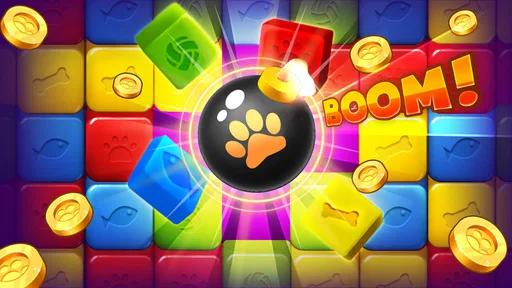
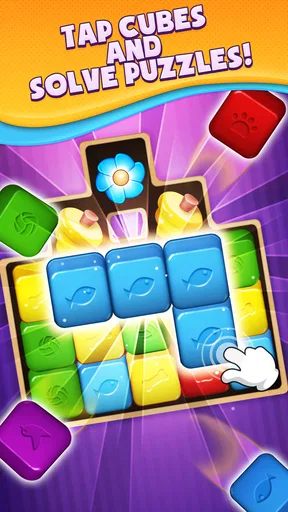
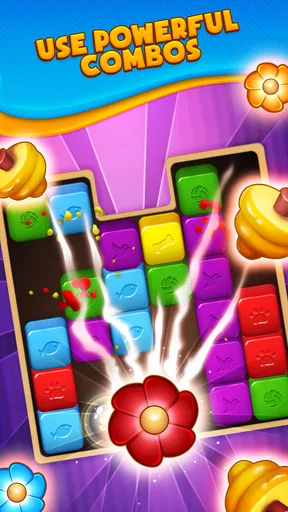
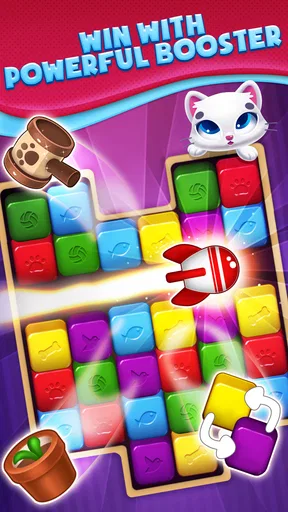
Our Review of Puzzle Pop Blaster
 Analysis by Appyee
Puzzle Pop Blaster is the kind of casual game I can open without preparing for a long session. It comes from Gimica GmbH and focuses on quick puzzle entertainment rather than a complicated story, competitive structure, or demanding learning curve. After spending time with it, I see its main appeal clearly: it is an easy game to pick up when I want a small break, but it is not automatically the best choice for someone looking for deep strategy or a large amount of variety.
The game is free to install, which makes trying it a low-risk decision. It is listed for Everyone and works on Android devices running version 7.0 or later. Its current version is 1.10.0, and the game has reached over a million installs. Those details suggest that it is aimed at a broad audience, including players who want something simple enough for occasional use rather than a hobby that demands daily commitment.
How the free experience feels in everyday play
The first thing I noticed is how naturally the game fits into spare moments. I can imagine playing it while waiting for an appointment, taking a short break from work, or relaxing for a few minutes before bed. It does not ask me to understand a large set of rules before I can begin enjoying it. That accessibility is important for a casual puzzle game, because the best short-session titles make the first move feel obvious and keep the focus on the small satisfaction of clearing a puzzle.
The “pop blaster” idea gives the game a cheerful, direct identity. Rather than presenting itself as a serious brain-training tool, it is built around light entertainment. I would recommend it to someone who enjoys colorful puzzle games and likes the feeling of making progress through compact challenges. It is also approachable for family use because the age rating is Everyone, although younger players may still benefit from an adult explaining how optional purchases work before they play independently.
What I value most here is the low commitment. A game like this does not need to replace a longer adventure or a thoughtful strategy title. Its job is narrower: provide a pleasant distraction with enough puzzle interaction to keep a short session from feeling empty. In that role, it works better than many games that bury their basic activity beneath menus, story scenes, or complicated upgrade systems.
At the same time, I would not mistake accessibility for depth. Players who want elaborate planning, a strong narrative, or a large competitive community may find the experience too lightweight. Puzzle Pop Blaster is more suitable when I want a quick mental reset than when I want a game that becomes the main focus of an evening.
What the free price really means
The free entry point is one of the strongest reasons to try it. I do not have to pay before learning whether the style suits me, and that matters more in the casual category than it might in a premium puzzle game. I can install it, play at my own pace, and decide whether the entertainment it provides is enough for my routine.
There are in-app purchases priced from $2.99 to $11.99 per item. I treat that range as an optional spending decision rather than part of the guaranteed value of the free download. The important distinction is simple: the game can be tried without paying, while any extra purchase should be judged by how much it improves my own experience. I would not buy anything immediately. I would first see whether the free play already gives me enough satisfying sessions.
This approach is especially useful for parents, because “free” does not mean that every possible action inside the game is free. I would check the device’s purchase protections and explain the difference between installing the game and buying an item within it. That is practical advice for any family device, but it matters here because the Everyone rating may make the game appealing to younger users.
For an adult playing casually, the free model can be good value if the basic puzzle loop remains enjoyable without spending. If I start feeling that progress depends on purchases, the calculation changes. At that point, I would compare the total cost of continuing with the price of a premium puzzle game that offers its complete experience upfront. The free download is a reason to test the game, not a promise that optional spending will never affect my decisions.
Small-session value rather than endless commitment
The game’s strongest practical use is as a filler activity. I would choose it over a more involved title when I have only a few minutes and do not want to remember a complicated objective. That makes it useful during fragmented days, especially for people who prefer short bursts of play to long campaigns.
There is also a psychological advantage to this format. A compact puzzle can give me a clear beginning and end, which feels more manageable than opening a large game when I am already tired. I can play briefly and put the phone away without feeling that I have abandoned a mission or interrupted a story at an awkward point.
However, the same convenience can become a limitation. If I play only for quick stimulation, the experience may begin to feel repetitive over time. Casual puzzle games often depend on the pleasure of the basic action, and that pleasure is personal. Some players can repeat a familiar format for months; others need new mechanics, characters, or goals to stay interested. I would expect Puzzle Pop Blaster to work best for the first group or for players who use it intermittently.
One useful habit is to treat it as a planned break instead of leaving it open indefinitely. I would play a small number of puzzles, notice whether I am still enjoying the decisions, and stop when the activity starts feeling automatic. That helps preserve the game’s value and prevents a free casual title from becoming background scrolling with little actual enjoyment.
Where it sits beside familiar puzzle alternatives
Compared with a classic match-style puzzle game, this title is more appealing if I want a straightforward popping theme and a lighter overall mood. A traditional match game may offer a more familiar rule set, while this one can feel fresher to someone who likes the idea of blasting groups rather than arranging standard matches. The better choice depends on which basic action feels satisfying to me.
Compared with a premium logic puzzle, Puzzle Pop Blaster is easier to sample because there is no upfront purchase. A paid alternative may be preferable for someone who wants a carefully designed, uninterrupted experience and dislikes the possibility of optional purchases. I would choose the premium route when I care more about ownership and focused problem-solving than about instant accessibility.
It also differs from large social or competitive puzzle games. I would not select it primarily to follow rankings, communicate with a community, or build a long-term multiplayer identity. Its value is more personal and immediate: open it, solve or clear something, and move on. That makes it less demanding, but also less suitable for players who need social motivation to keep returning.
Against a pure brain-training app, the distinction is equally important. I would play this for fun first, not because I expect a structured educational program or measurable cognitive development. The casual label sets the right expectation. If I want lessons, progress reports, or a disciplined training routine, I would look elsewhere.
Practical ways to decide whether it suits you
My first recommendation is to test it during the exact kind of moment in which I expect to use it. If I want a five-minute distraction, I would try it during a short break rather than committing to a long session. The question is not whether it can occupy time; almost any mobile game can do that. The better question is whether its puzzle interaction leaves me feeling pleasantly refreshed instead of merely entertained by habit.
My second tip is to delay optional purchases until I understand my own pattern. Because items range from $2.99 to $11.99, I would avoid treating a small purchase as an automatic extension of the free experience. I would first decide whether I play often enough for that item to matter and whether it solves a genuine annoyance or simply encourages another impulse purchase.
A third useful test is to notice how much variety I personally need. If I enjoy repeating a familiar puzzle rhythm while listening to music or taking a break, the game may offer lasting value. If I quickly ask for new rules, deeper planning, or a story, I should skip spending and use the free trial as a quick experiment rather than forcing the game into a role it was not designed to fill.
I would also keep the device’s age and operating requirements in mind. Since Android 7.0 or later is required, most reasonably current compatible devices should be able to consider it, but an older phone may still deliver a less comfortable experience than a newer one. I would not judge the game solely by its install size or availability; the real test is whether it feels responsive and readable on the particular screen I use every day.
Who is likely to get the most value?
I think the best audience is someone who wants a free, casual puzzle game with an uncomplicated premise and no need to schedule long sessions. It is a sensible option for commuters, students between tasks, adults who want a quick distraction, and families looking for an Everyone-rated game to try together. The broad audience is reflected in its average rating of 4.6 from around 151 thousand ratings, which indicates strong general approval without meaning that every player will have the same experience.
It can also suit people who are cautious about downloading unfamiliar games. The free access lets me evaluate the basic appeal before considering any purchase, and the developer is clearly identified as Gimica GmbH. I still recommend checking the purchase settings on a shared device, but the trial-first approach makes the initial decision straightforward.
I would be more hesitant to recommend it to a player who wants a definitive puzzle challenge. Someone who enjoys difficult logic problems, carefully balanced levels, or a sense of mastery may prefer a dedicated puzzle title with more demanding systems. Likewise, a player who dislikes in-app purchases on principle may feel more comfortable choosing a paid game with a clear one-time price.
It is also not my first recommendation for someone who needs a game to remain exciting for hours every day. The casual format is an advantage for short breaks, but it can become a weakness when used as a primary long-term game. If I were looking for a single title to occupy an entire trip or provide a deep nightly routine, I would compare it with a larger puzzle collection or a premium adventure before settling here.
My value-based verdict
After weighing the free access against the optional purchase range, I see Puzzle Pop Blaster as a worthwhile try rather than an automatic buy. The no-cost entry makes experimentation easy, and the game’s casual puzzle focus is well suited to short, low-pressure sessions. I would recommend installing it when I want something immediately approachable and I am comfortable deciding for myself whether the free experience is sufficient.
The smartest way to use it is to enjoy the free game first, then spend only if the added value is clear in your own routine. That keeps the decision grounded in actual enjoyment instead of the assumption that every optional item is necessary. For me, the game earns its place as a convenient break-time title, not as a replacement for a deeper puzzle game.
The strong public response—around 4.5 thousand written reviews alongside its large rating count—supports the idea that many players find the format enjoyable. Still, popularity does not remove the trade-offs. The experience may feel too simple for serious puzzle fans, and the presence of purchases means families should set sensible controls before handing over the device.
In the end, I would choose it when my priority is free, accessible entertainment with a clear casual identity. I would skip it when I want a one-price experience, advanced logic, a substantial narrative, or a game built around competition. For the right player, that is enough: a friendly puzzle diversion that can fill a spare moment without demanding a major commitment.
Verdict
Strengths of Puzzle Pop Blaster
- Quick, satisfying levels that are easy to start playing
- Bright visuals and playful effects make matches feel rewarding
- Simple controls work well on both phones and tablets
- Short sessions are convenient for casual gaming breaks
- Gradual challenges help keep the gameplay engaging
Limitations of Puzzle Pop Blaster
- Later stages can feel repetitive without much gameplay variety
- Frequent ads may interrupt the experience between levels
- Some boosters may require patience or in-app purchases
- Limited explanation of advanced strategies for new players
- Progress can feel slow when objectives become more demanding
Other Releases by Gimica GmbH
View All


Similar Picks in This Category
View All
My Talking Angela
Outfit7 Limited4.2

My Talking Tom
Outfit7 Limited4.3

Pou
Zakeh4.2

My Talking Tom 2: Pet Game
Outfit7 Limited4.3

Candy Crush Saga
King4.6

Bridge Race
Supersonic Studios LTD4.1
Frequently Asked Questions
What is Puzzle Pop Blaster and how do you play it?
Puzzle Pop Blaster is a casual puzzle game focused on matching and clearing colorful pieces or bubbles from the board. The usual objective is to complete each level by removing a required number of items, achieving a target score, or finishing within a limited number of moves. As you progress, levels generally introduce obstacles, special pieces, boosters, and more demanding layouts that require planning rather than simply tapping quickly.
Is Puzzle Pop Blaster free to download and play?
Puzzle Pop Blaster can typically be downloaded and played without an upfront purchase, making it accessible to casual players. However, free-to-play games may include optional in-app purchases for extra lives, boosters, coins, or other resources. Depending on the version and device, advertisements may also appear between levels or after certain actions. Check the store listing and purchase settings before downloading, especially if children use the device.
Can Puzzle Pop Blaster be played offline?
Basic puzzle gameplay may be available without a continuous internet connection, which is useful when traveling or when mobile data is limited. Nevertheless, some features can require internet access, including advertisements, cloud saving, events, leaderboards, account synchronization, and in-app purchases. Availability may also vary between Android and iOS versions, so it is best to test the game in airplane mode after installation rather than assuming every feature works offline.
Does Puzzle Pop Blaster contain ads or in-app purchases?
Puzzle Pop Blaster may use advertising and optional purchases as part of its free-to-play model. Ads can sometimes be exchanged for helpful rewards, while purchases may provide coins, additional moves, lives, or boosters that speed up progression. These options are not necessarily required to complete the game, but they can affect the experience if levels become more difficult. Review the permissions, payment settings, and parental controls before allowing transactions.
Is Puzzle Pop Blaster suitable for children and what devices support it?
Puzzle Pop Blaster is generally easy to understand and suitable for players who enjoy short, colorful puzzle sessions. Even so, parents should review its age rating, advertising content, privacy policy, and purchase options because these details can differ by platform and region. Before downloading, confirm that the device meets the listed Android or iOS requirements and has enough free storage for the installation and future updates.
Play our best games!


